Food & Drink
Food & Drink
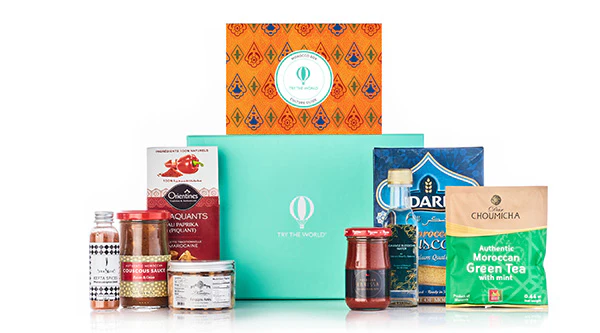
Try The World Review: My Plan for a Snack Tasting Night
Try The World / A curious snacker’s buying notes A little more adventure at the kitchen table. I explored Try The World with a…
Browse the archive
Kitchen tools, storage, serving and general consumer information without medical claims.
Try The World / A curious snacker’s buying notes A little more adventure at the kitchen table. I explored Try The World with a…
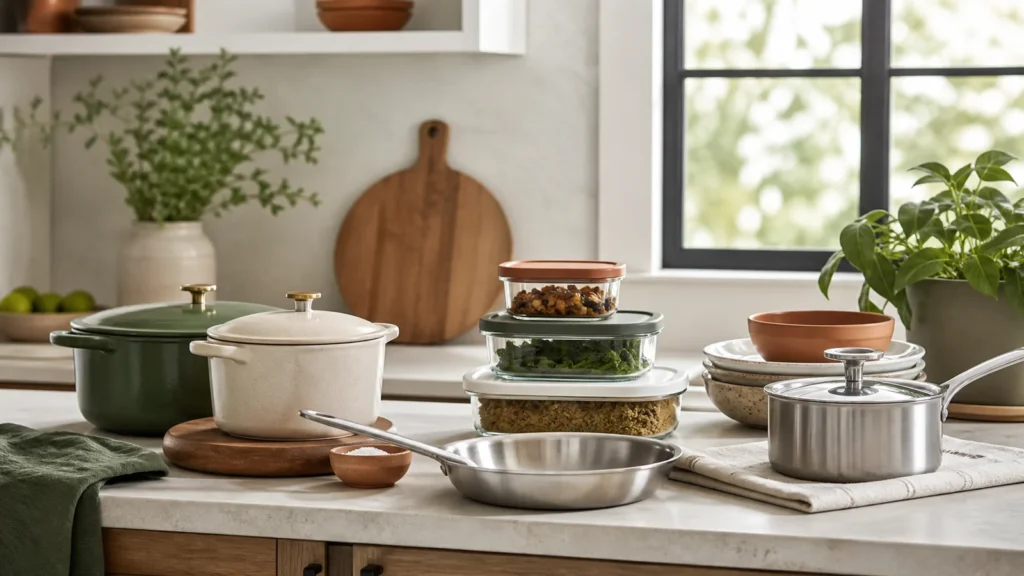
A practical U.S. guide to the decisions behind “How to Choose Everyday Cookware by Material, Weight and Care,” with checks for food-contact material, capacity and ownership trade-offs.
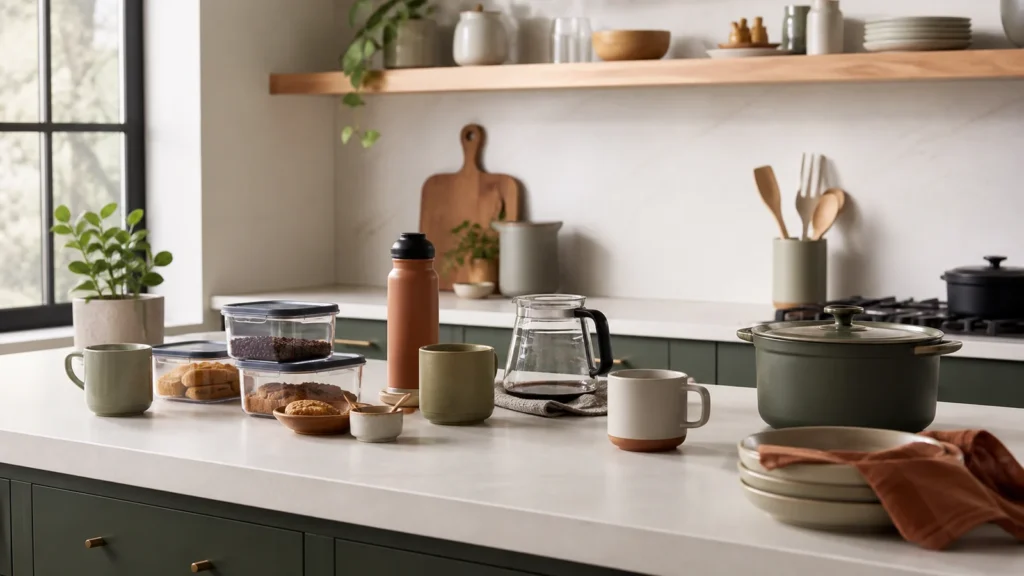
A practical U.S. guide to the decisions behind “Buying a Coffee Brewer: Capacity, Routine and Cleanup,” with checks for food-contact material, capacity and ownership trade-offs.
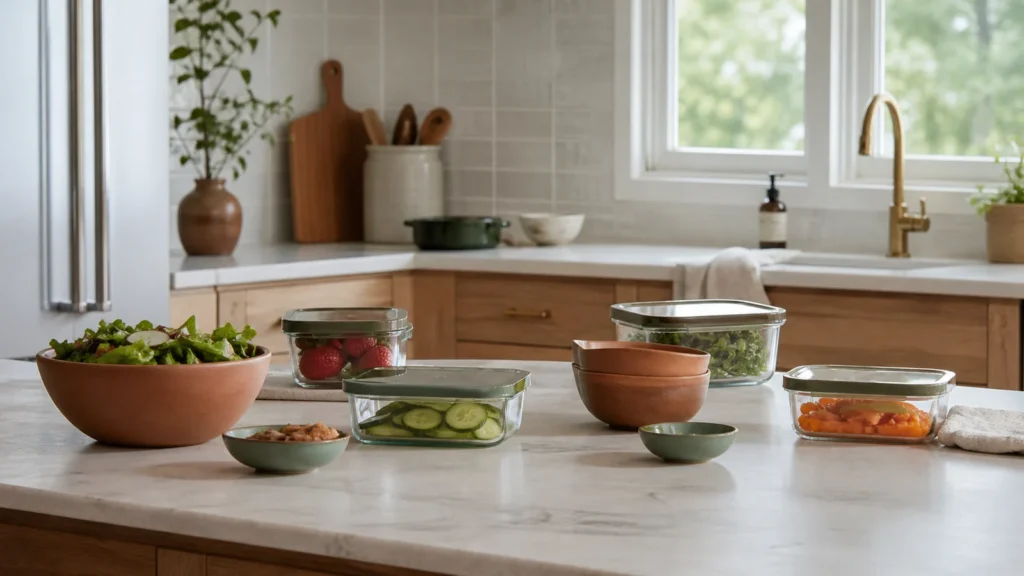
A practical U.S. guide to the decisions behind “Choosing Food Storage Containers for a Real Refrigerator,” with checks for food-contact material, capacity and ownership trade-offs.
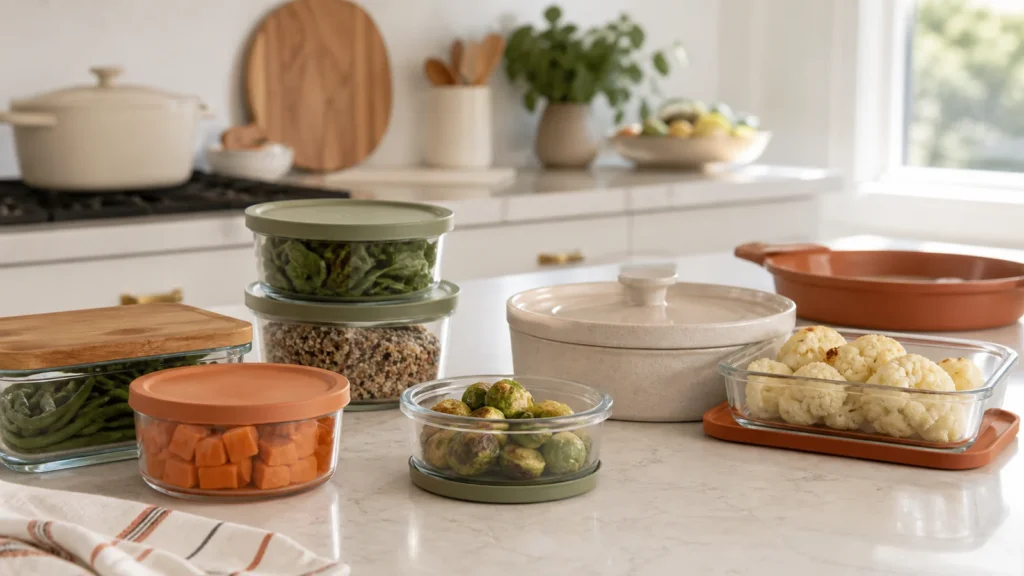
A plain-English U.S. explainer for “Date Labels and Food Storage: What a Kitchen System Should Track,” focused on food-contact material, capacity and the limits of published information.
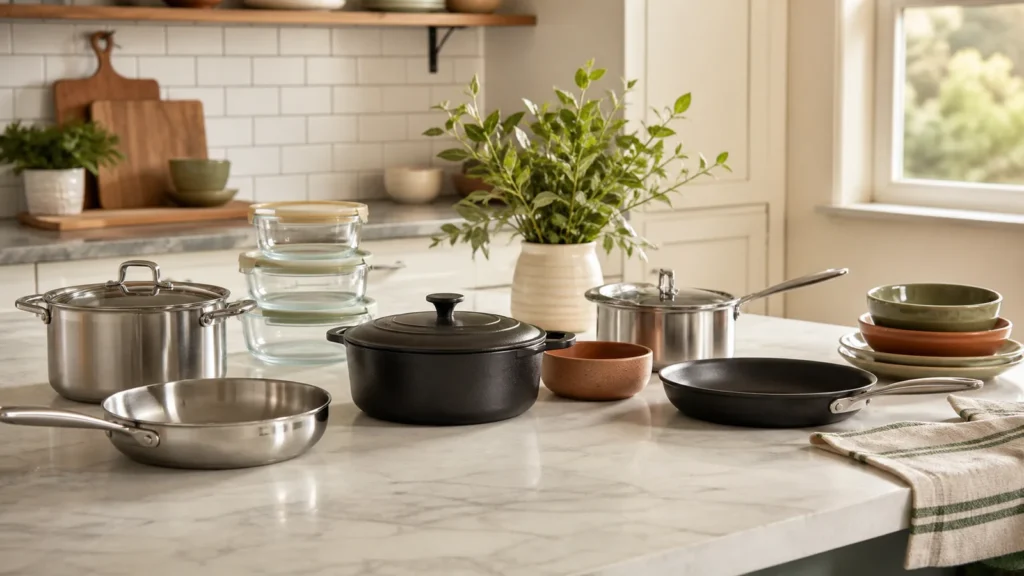
A plain-English U.S. explainer for “Cookware Surface Materials: A Practical Ownership Guide,” focused on food-contact material, capacity and the limits of published information.
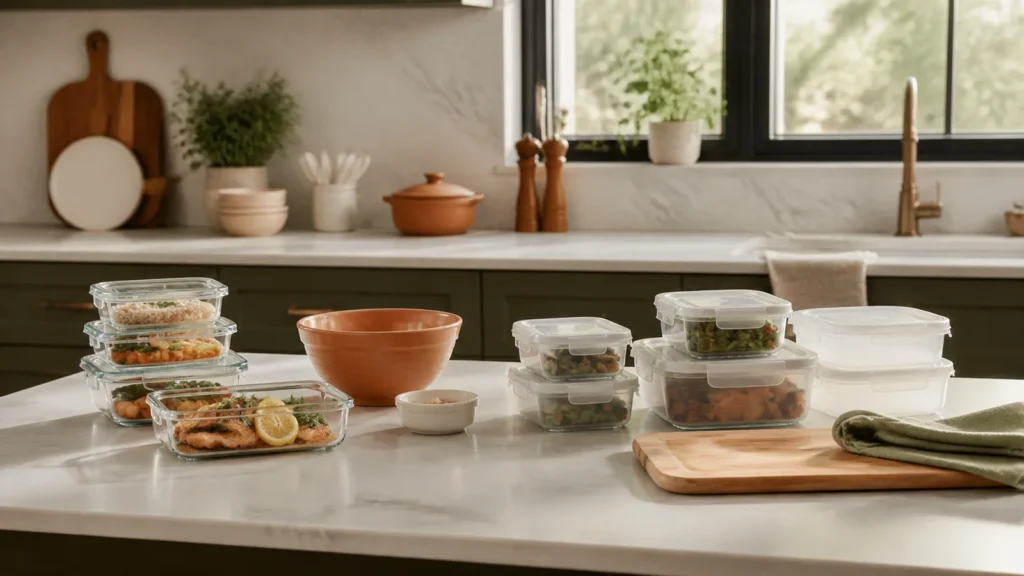
An even-handed U.S. comparison built around “Glass vs Plastic Food Containers: Weight, Staining and Storage,” using food-contact material, capacity and everyday ownership trade-offs.
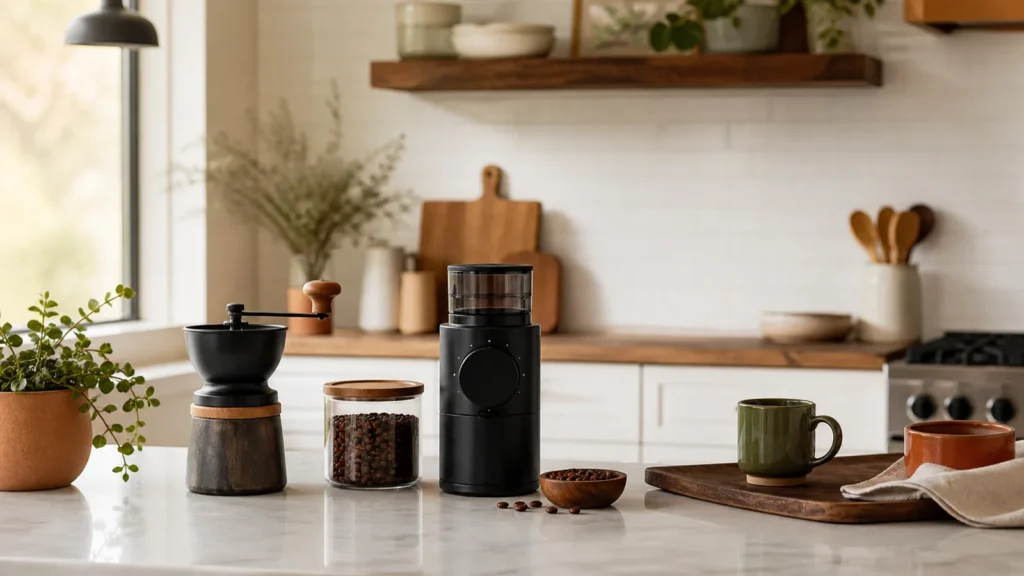
An even-handed U.S. comparison built around “Manual vs Electric Coffee Grinders: Control, Noise and Routine,” using food-contact material, capacity and everyday ownership trade-offs.
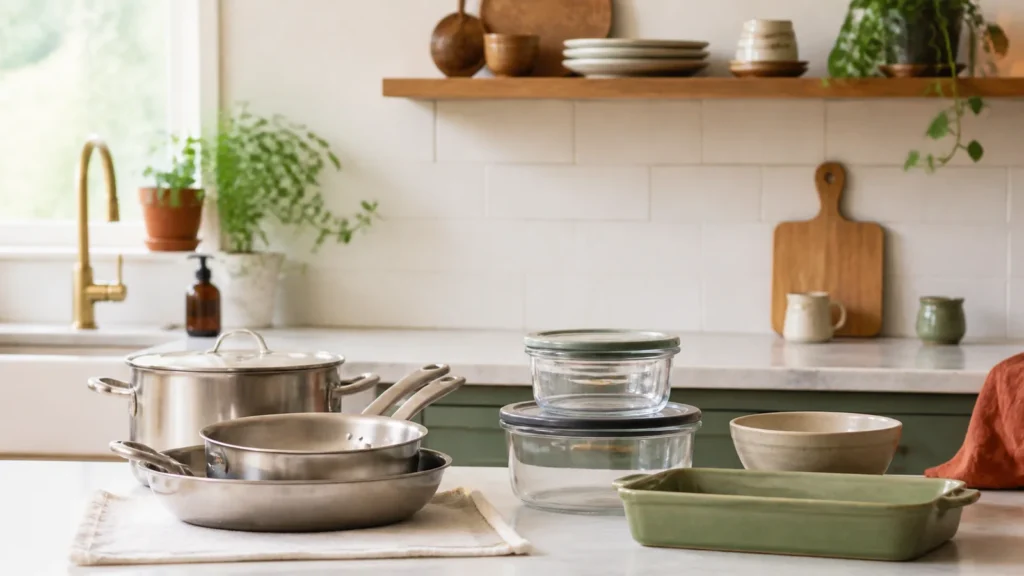
A practical U.S. care article addressing “A Material-Aware Routine for Cleaning Everyday Cookware,” with material-aware steps, limits and questions to verify first.
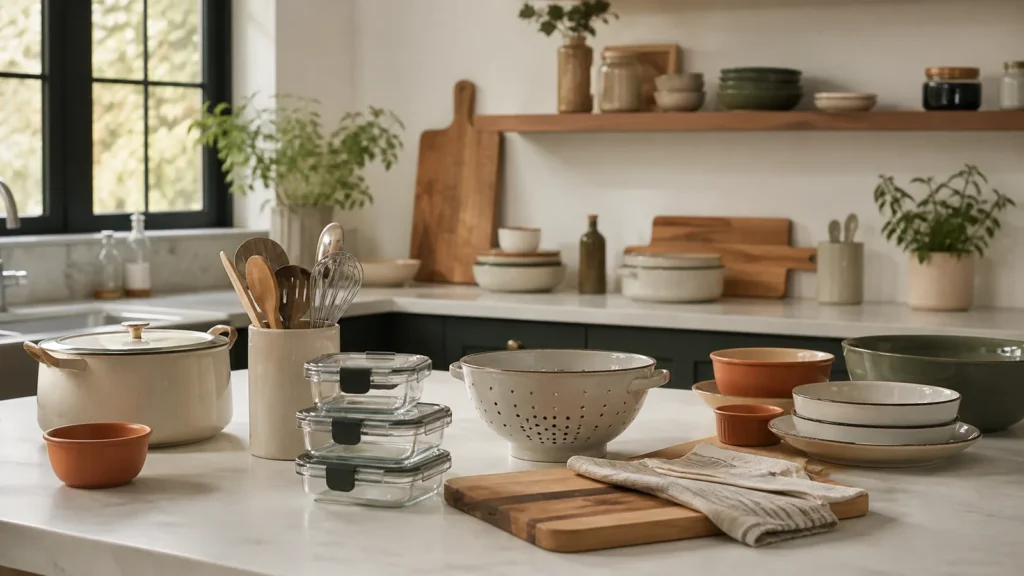
An independent U.S. perspective on the argument in “The Best Kitchen Tool Is the One That Earns Its Storage Space,” grounded in food-contact material, capacity and long-term usefulness.
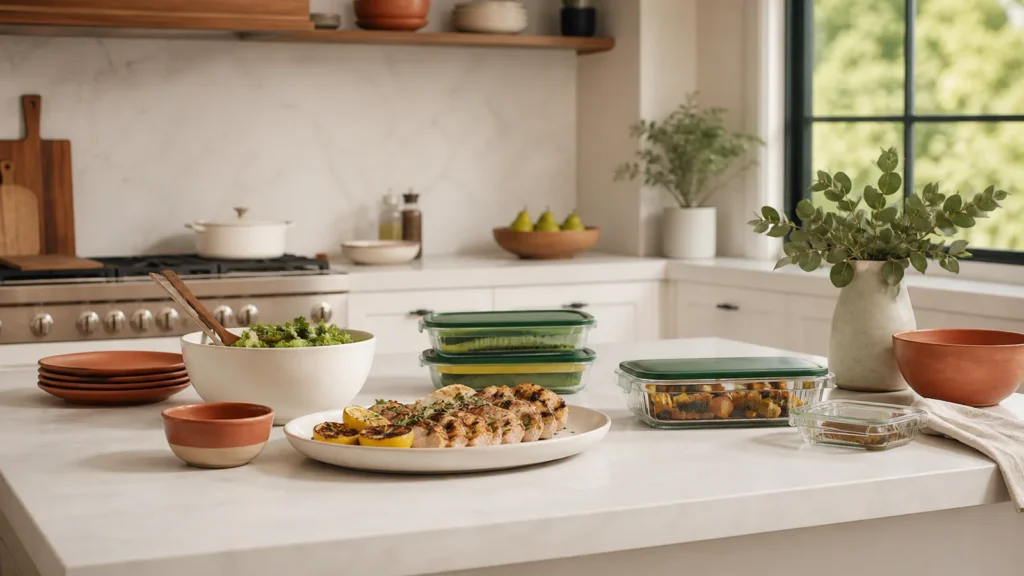
A non-brand U.S. shortlist built around “Best Serving-Piece Formats for Casual American Hosting,” organized by food-contact material, capacity and buyer fit rather than rankings.