beek Review: Leather Footwear, Arch Support, and What to Know Before Buying
Classic leather footwear has an enduring appeal: a considered shape, a material with visual character, and the potential to become a regular part of your wardrobe. beek builds its identity around that idea, with handmade production and arch support central to its description. The buying decision comes down to how those qualities translate to the particular pair you choose.
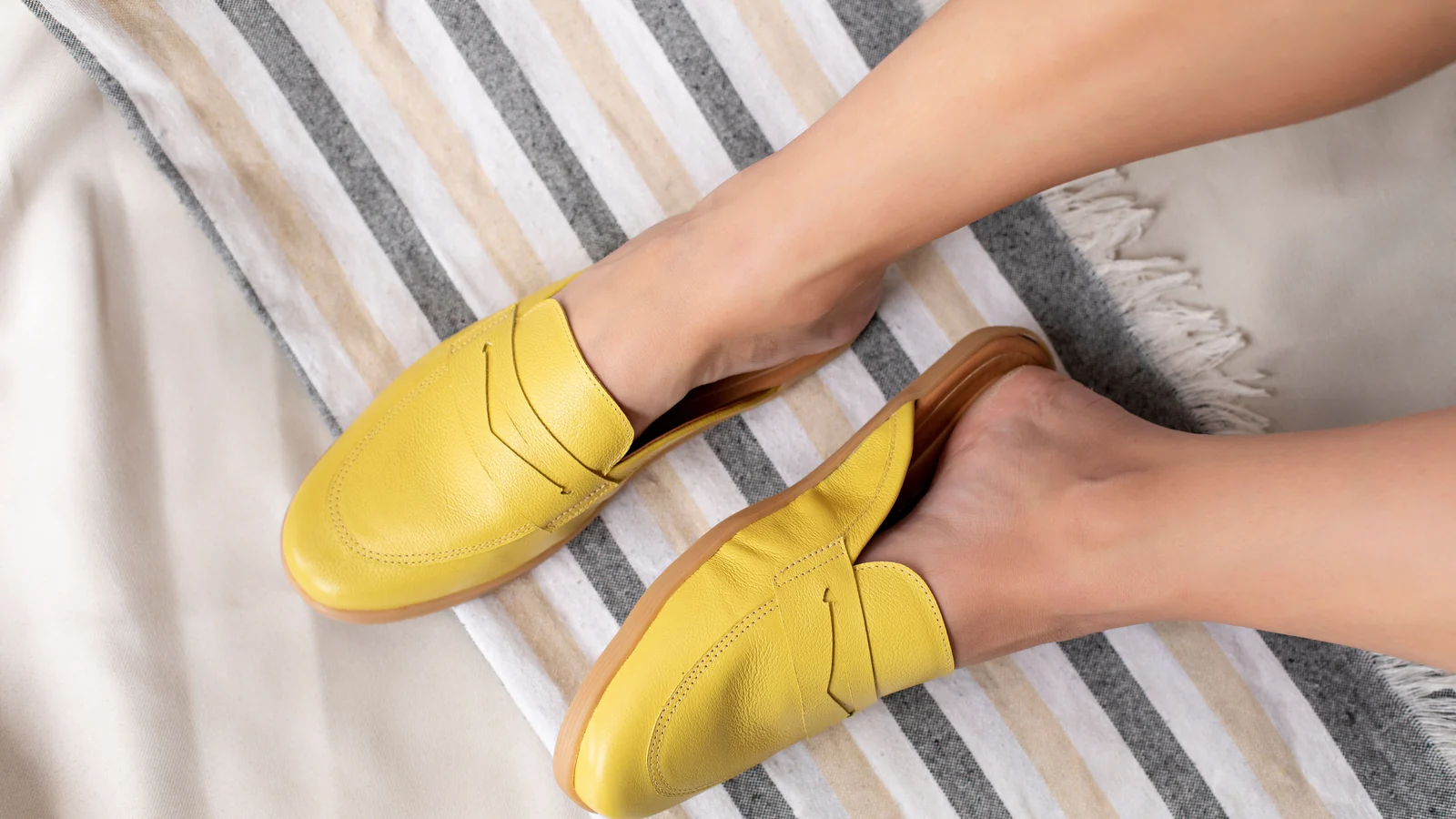
A shoe can look perfect beside your favorite jeans and still be the wrong purchase. The arch may meet your foot in the wrong place, the shape may limit your outfit choices, or the care requirements may clash with your routine. beek offers an appealing starting point for shoppers drawn to classic leather footwear. Understanding the difference between that brand promise and the details of an individual shoe is what makes this a useful purchase to investigate.
- A clear design direction centered on classic leather footwear.
- The merchant identifies both the designers and the production location: designed in California and handmade in Guadalajara, Mexico.
- Arch support is an explicit part of the brand description, making it a relevant feature to investigate.
- The brand describes a give-back program that provides meals to children in need.
- The supplied information does not include model-specific sizing, width, adjustability, or footbed measurements.
- Leather specifications, sole materials, traction, and repair options are not established.
- Comfort, durability, and long-term value have not been independently tested for this review.
- Current prices, U.S. shipping, inventory, and return terms are not supplied.
What Is beek? A Clear Brand Idea With Important Product-Level Questions
beek is a collection of classic leather footwear created by Birgit Klett and Kenna Florie. According to the supplied merchant description, the collection is designed in California and handmade in Guadalajara, Mexico. The description emphasizes craftsmanship, distinctive arch support, and effortless style. These are useful facts for understanding the brand's direction, although they do not provide a complete specification for any individual shoe.
The strongest part of that introduction is its coherence. Design, material, and production are all presented as central to the collection. For someone trying to buy fewer, more considered wardrobe pieces, that gives beek a clear reason to enter the comparison. The relevant question is whether a particular style earns a place in your actual rotation: workdays, casual dinners, weekend errands, or vacation outfits.
Keep the collection-level description separate from model-level evidence. A brand's emphasis on leather does not establish that every component is leather. Handmade production does not tell you how a sole is attached. An arch-support claim does not reveal the height, position, or firmness of the contour. Those details can change the purchase decision more than the overall brand story.
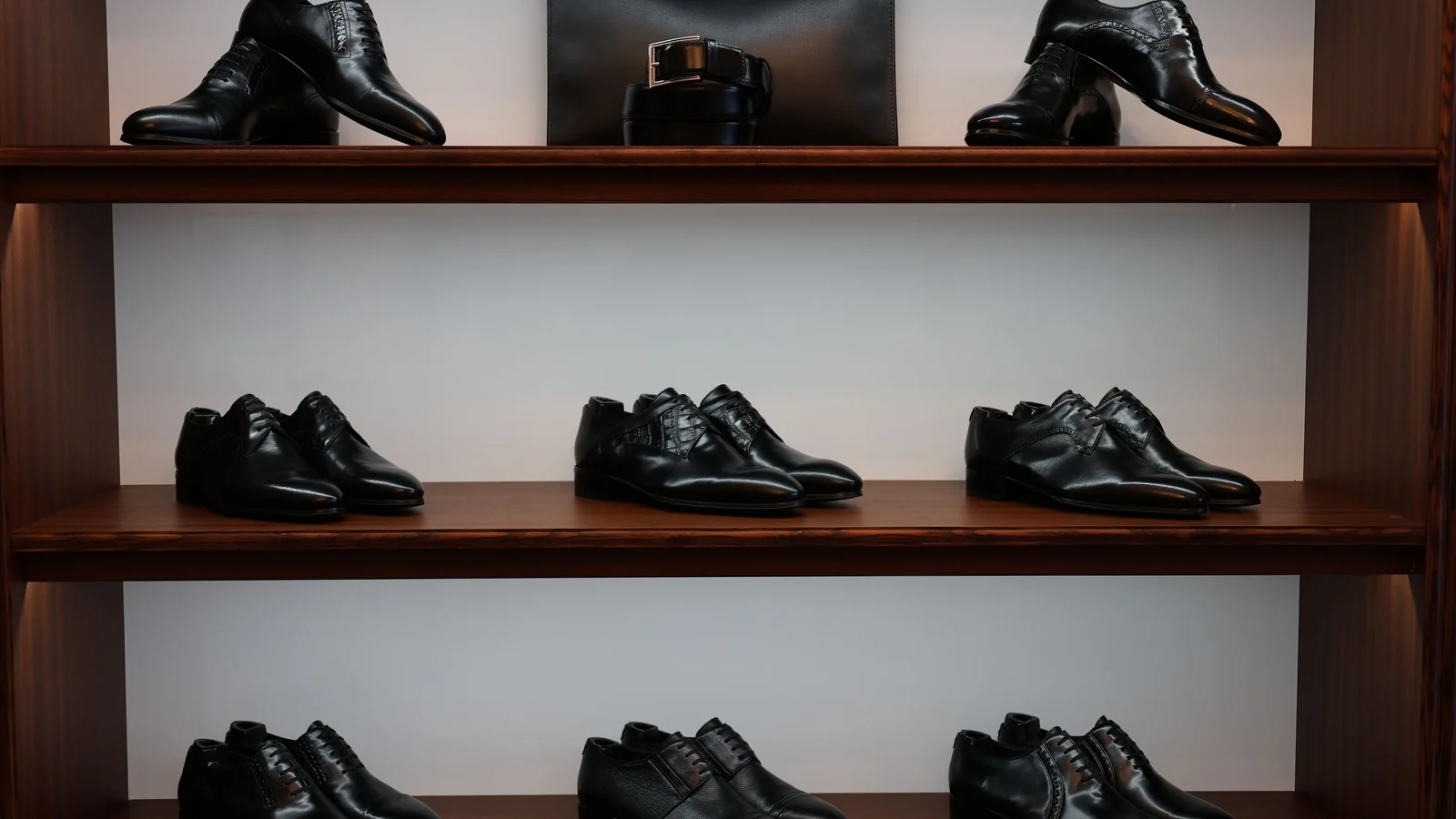
beek Leather Footwear: What Craftsmanship Should Mean to a Buyer
Handmade production is one of beek's stated distinguishing features. It identifies a method of making the footwear, but it cannot, on its own, settle questions about consistency, longevity, or comfort. A useful assessment of craftsmanship connects the production story to observable details: clean edges, secure attachment points, even finishing, and thoughtful placement of components that touch the foot.
When evaluating a particular pair, examine the areas most likely to matter in everyday wear. Depending on the design, those may include the edges of the upper, stitching around stress points, the transition between the footbed and sole, and any hardware. Product photographs can help you understand the shape and finish; they generally cannot establish softness, flexibility, or how a pressure point will feel after several hours.
Leather also deserves a more specific conversation than simply calling it a quality material. Thickness, finish, lining, and construction all influence behavior. Some leather footwear feels structured, while other designs prioritize flexibility. The supplied description does not identify leather grade, tanning method, or lining across the collection, so no collection-wide conclusion about those characteristics is warranted.
The practical takeaway is to give the handmade claim weight without asking it to answer every question. If construction matters strongly to you, look for details about the exact model and ask the merchant about anything left unclear. Country of production and handwork are meaningful background; the finished shoe still needs to suit your foot and routine.
Does beek Have Arch Support? Yes in the Brand Description, With Fit Still Unresolved
The merchant explicitly describes arch support as part of the beek collection. That is a relevant point of difference for shoppers who want more information about the shape beneath their feet. However, the supplied source does not quantify that support, explain whether it varies between models, or document clinical benefits. There is no basis here for presenting beek as a treatment for foot pain.
Arch support is highly dependent on placement and personal preference. A contour that feels reassuring to one wearer may feel intrusive to another. Overall shoe length is only one part of the equation: the relationship between heel position, arch position, and the widest part of the foot also matters. A shoe can have the expected size label and still feel wrong.
If support is your main reason for considering beek, prioritize an explanation or clear view of the footbed in the exact style you are considering. Ask how the model is intended to fit and whether the support structure differs across designs. Avoid assuming that a prominent contour means generous cushioning; support and cushioning describe different characteristics.
For shoppers with persistent pain, prescribed orthotics, or a diagnosed foot condition, a general brand description is insufficient to establish suitability. Individual guidance from a qualified clinician is more useful than treating an arch-support claim as a medical recommendation. For everyone else, the goal remains straightforward: support should feel appropriately placed and comfortable during the activities you intend to do.
beek Sizing and Fit: Check the Exact Style Before Choosing a Size
There is not enough supplied evidence to say that beek runs small, large, or true to size. There is also no verified collection-wide information about widths or half sizes. A confident sizing recommendation would require details that are absent here. Start with the current guidance for the exact model, using the measurement method the merchant specifies.
Think about fit in more than one direction. Length determines available room at the front and back, width affects side-to-side pressure, and upper volume influences how securely the foot is held. Depending on the shoe's construction, adjustability may help accommodate some differences, but it cannot be assumed. Someone with a high instep and someone with a narrow heel may encounter different issues in the same nominal size.
During any try-on allowed by the return policy, pay attention to where the foot settles and what keeps it in place. Notice whether the arch contour aligns naturally, whether an edge presses against the skin, and whether you have to grip with your toes to maintain security. These observations are more useful than trying to convince yourself that an attractive pair will eventually work.
Leather can change with wear, but that is not a reliable reason to accept immediate pinching, instability, or poor alignment. Do not purchase on the assumption that every uncomfortable detail will disappear. Before ordering, check the current rules for trying on, returning, or exchanging the specific item, including any restrictions that may apply.
How beek Could Fit Into an Everyday Wardrobe
The appeal of classic footwear is often its ability to work repeatedly with clothing you already own. beek describes its style as effortless, but the useful test is personal: can you picture the specific pair with several real outfits without buying extra pieces? A shoe that complements your favorite pants, a casual dress, and your usual weekend clothing has a clearer role than one that only works in a carefully styled photograph.
Compare silhouette before focusing on color. The visual weight of the sole, the amount of foot coverage, and the shape of the upper can change how footwear works with a hemline. A design that looks balanced with wide-leg pants may create a different effect with a narrow skirt. These are styling relationships to assess on the chosen model, not features confirmed across beek's collection.
For a first purchase, begin with the outfit you wear most often and identify the footwear gap. Perhaps you want a more considered finish for casual clothing, or a leather option that fits your existing palette. Choosing for a defined use gives you a stronger basis for judging value than choosing solely because a pair photographs well.
Vacation deserves a separate check. Looking appropriate with a travel wardrobe does not establish comfort for sightseeing, secure footing on unfamiliar surfaces, or suitability for rain. If your plans involve substantial walking, evaluate those demands directly. Styling versatility and walking performance should each earn their place in the decision.
Leather Care, Durability, and the Limits of What We Know
The supplied description gives no wear-test results, expected lifespan, or model-specific care instructions. That means we cannot promise years of use, easy resoling, water resistance, or a particular pattern of aging. Leather footwear can develop creases and changes in appearance, but whether those changes are appealing depends on the finish, use, and your own expectations.
Follow the care instructions for the exact material and finish. A treatment appropriate for one leather may alter another's color or surface, so a generic recommendation to condition, polish, or waterproof every pair would be too broad. Ask the merchant about compatible care products if the product information is unclear.
Durability also extends beyond the upper. Outsole wear, attachment methods, hardware, and the condition of the footbed may determine how long a pair remains useful. Handmade production does not automatically mean a shoe can be repaired economically. If repairability is part of your reason for spending more, verify it before purchase.
Consider your tolerance for maintenance alongside your taste. Someone who appreciates changes in leather's appearance may enjoy a different ownership experience from someone who wants footwear to look almost untouched. Neither preference is wrong. Matching the material's documented care requirements to your habits is more useful than treating leather as universally low-maintenance.
Is beek Worth It? Compare the Complete Purchase
Without a verified current price or model-specific performance evidence, beek cannot responsibly be labeled a bargain or an overpriced choice. Value depends on the particular pair, what it costs you in the merchant's stated currency, and how effectively it serves your needs. The strongest case begins with a combination of a style you will wear often, a suitable fit, and construction details you understand.
Compare alternatives by intended use rather than by appearance alone. A shoe chosen primarily for its leather finish and handmade production may serve a different purpose from footwear selected for documented traction, wet-weather use, or a prescribed orthotic. There is no useful winner until the requirements are clear.
For a practical comparison, place the details side by side: upper and lining materials, footbed description, outsole, fit guidance, adjustability where applicable, care requirements, and current return conditions. Then compare the full purchase amount, including any stated shipping charges and applicable taxes. The available source does not establish those amounts or confirm delivery to a particular U.S. address.
Potential cost per wear is a helpful way to think, provided it stays realistic. Repeated use can make a more expensive purchase worthwhile, but future wear is a personal estimate, not a product guarantee. If you are uncertain about fit or can name only one occasion for the shoes, resolve that uncertainty before letting the production story justify the expense.
beek's Give-Back Program: A Positive Detail With Limited Specifics
The merchant states that beek's give-back program provides meals to children in need. That is the extent of the verified program description available for this editorial. The source does not identify a meal count per purchase, a donation percentage, recipient organizations, or reporting arrangements.
If charitable impact is an important part of your purchase decision, look for a current explanation of how the program operates. Useful details would include the connection between purchases and contributions, the organizations involved, and how outcomes are reported. Do not infer a one-purchase, one-meal arrangement from the general statement.
The program can be considered alongside the footwear's design and fit, while remaining a separate question. A charitable initiative does not establish material sourcing practices, labor conditions, or environmental performance. Each of those topics requires its own evidence.
Design Direction
The clearest reason to explore beek is its stated focus on classic leather footwear. That gives the collection an understandable identity. Whether an individual design feels versatile depends on its shape, color, and relationship to the clothes you actually wear.
Craftsmanship and Construction
Handmade production in Guadalajara, Mexico, is supported by the merchant description. Finished construction quality, material grades, and repairability remain unverified. The production background is meaningful, but it does not justify a durability rating.
Support and Fit
Arch support is explicitly described, making footbed design a worthwhile area to investigate. Its height, firmness, placement, and suitability for individual feet are not established. No all-day comfort or medical benefit can be concluded from the available information.
Everyday Practicality
Practical suitability depends on details missing from the supplied source, including traction, care requirements, and model-specific fit. Evaluate the pair against your actual routine, especially if your plans include substantial walking or exposure to wet conditions.
Value
A firm value judgment would require the current price, purchase terms, and evidence about the selected model. The strongest potential case is for a shopper who places real value on the stated design and production approach and can establish a suitable fit.
- Shoppers looking for classic leather footwear with a clearly described design and production background.
- Buyers interested in arch support who are willing to investigate the exact footbed and fit.
- People choosing a pair for several existing outfits and a defined everyday role.
- Shoppers who consider handmade production important and also examine individual construction details.
- Buyers who need verified waterproofing, slip resistance, or other technical performance that the supplied source does not establish.
- Anyone seeking a guaranteed solution for foot pain or confirmed compatibility with prescribed orthotics.
- Shoppers who require a specific width or fit accommodation without model-specific confirmation.
- Buyers who need confirmed U.S. delivery timing, total cost, or return eligibility before those details are available.
Start with the beek style that fills the clearest gap in your wardrobe. Confirm its materials, footbed description, sizing guidance, and intended care, then review current availability and the terms for your delivery address. Give extra attention to returns if you are unfamiliar with the fit. beek's combination of classic leather styling, handmade production, and an emphasis on arch support creates a credible reason to investigate the collection. A purchase makes the most sense when the exact pair also meets your practical needs.
What is beek known for?
The supplied merchant description presents beek as classic leather footwear created by Birgit Klett and Kenna Florie, with an emphasis on craftsmanship, arch support, and effortless style.
Where is beek footwear made?
According to the merchant description, beek footwear is designed in California and handmade in Guadalajara, Mexico. The source does not provide further factory or production-process details.
Does beek footwear have arch support?
Arch support is an explicit part of the brand description. The supplied information does not establish its measurements, firmness, or variation between styles, so check the exact model before deciding whether it suits your preferences.
Does beek run true to size?
The available source does not establish a sizing pattern. Use the current size guidance for the particular model and verify return or exchange conditions before ordering.
Is beek comfortable for all-day walking?
That has not been established by this review. Arch support alone does not confirm all-day walking comfort; fit, cushioning, security, sole characteristics, and individual needs also matter.
Is beek footwear waterproof?
Waterproofing is not established in the supplied information. Check the exact product's care and performance guidance before choosing it for wet conditions.
What does beek's give-back program do?
The merchant states that the program provides meals to children in need. The supplied description does not specify a contribution per purchase, meal count, or recipient organization.
Does beek ship to U.S. customers, and what are the return terms?
The supplied source does not confirm delivery eligibility, shipping charges, delivery estimates, or return terms. Check the merchant's current information for your address and selected item.
This editorial is based on an official merchant description supplied through an affiliate data source dated September 28, 2026. It is a brand-level assessment, not a hands-on product test. No independent wear testing, customer-review analysis, or model-specific verification was available. Construction, fit, care, and comparison advice reflect general footwear buying considerations; current prices, inventory, U.S. delivery, and return terms have not been verified.